|
|||||||


| Sponsored Links (Register now to hide all advertisements) |
|
|
 |

|
Thread Tools | Display Modes |
 01-21-2020, 02:54 AM
|
#1 |
|
Junior Member
Join Date: Sep 2011
Posts: 18
|
 Larger intake valves
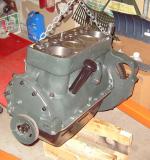
The Model A engine I’m working on rebuilding has larger intake valves and stock exhaust valves. All are inserted.
What’s the point? I’m a big believer in stock engines. That said, is their some advantage to this configuration? |

|

|
|
01-21-2020, 05:29 AM
|
#2 |
|
BANNED
Join Date: May 2018
Location: Outside Windy City
Posts: 22
|
Re: Larger intake valves
Makes the engine breather better for more power and maybe even more horsepower
|
|
|
|
| Sponsored Links (Register now to hide all advertisements) |
|
|
|
01-21-2020, 06:15 AM
|
#3 |
|
Senior Member

Join Date: Feb 2015
Location: Australia
Posts: 2,291
|
Re: Larger intake valves
It's to keep up with the Japanese who refused to make under-stressed engines.
|
|
|
|
|
01-21-2020, 06:49 AM
|
#4 | |
|
Junior Member
Join Date: Sep 2011
Posts: 18
|
Re: Larger intake valves
Quote:
Is anybody out there running an engine like this? My first inclination is to have the inserts redone back to stock. |
|
|
|
|

|
01-21-2020, 08:26 AM
|
#5 |
|
Senior Member

Join Date: May 2010
Location: Van, Texas
Posts: 1,122
|
Re: Larger intake valves
nothing scientific, just, my opinion. The air coming in is pushed in - thru the intake valve - by atmosperic pressure and the vacumn caused by piston moving downard. The air moving out - the exhaust - is being pushed by the piston and the explosion and the expanding of the air inside the cylinder. The exploison and resulting expanding air move a lot faster than the air being sucked in by vacumn. clear as mud???
as said above the engine breathes better and is more efficient which equals more hp. I have built several engines with the larger valves and the one currently on the table will have the larger valves. Iffen I wus u I would leave the larger valves alone. Iffen you have insert main or rods I wud also leve dem alone. It would be VERY expensive to conver an engine back to babbit bearings. ken Last edited by kenparker; 01-21-2020 at 08:31 AM. Reason: more info |
|
|
|
|
01-21-2020, 08:36 AM
|
#6 |
|
Senior Member
Join Date: May 2010
Location: now Kuna, Idaho
Posts: 3,835
|
Re: Larger intake valves
Sponsored Links (Register now to hide all advertisements)
|
|
|
|
|
01-21-2020, 06:52 PM
|
#7 |
|
Senior Member
Join Date: Feb 2015
Location: Australia
Posts: 2,291
|
Re: Larger intake valves
|
|
|
|
|
01-21-2020, 08:19 PM
|
#8 |
|
BANNED
Join Date: May 2010
Location: Wa.
Posts: 5,423
|
Re: Larger intake valves
On a FLATHEAD 4 or V8, people that believe the exhaust should NOT be as big or bigger than the intake are living in the past.
Ideally, the exhaust system should be big enough so that NO pressure wave is reflected past the reverse flow dam to the valve seat. |
|
|
|
|
01-21-2020, 09:57 PM
|
#9 | |
|
Senior Member

Join Date: Jun 2014
Location: Melbourne, Australia
Posts: 8,434
|
Re: Larger intake valves
Quote:
__________________
When all is said and done, more is said than done. That's why we judge people on what they do, not what they say. I sometimes wonder what happened to the people who asked me for directions. If I am not in trouble, I've done something wrong. |
|
|
|
|
|
01-21-2020, 11:26 PM
|
#10 |
|
Senior Member
Join Date: May 2011
Location: SW Virginia near the Blue ridge Parkway
Posts: 674
|
Re: Larger intake valves
Exhaust valves (for reasons mentioned above) are usually smaller than intake valves. Increasing valve size does not always increase flow, depending on the engine/head design it sometimes reduces flow across the whole valve lift. An example is the 305 Chevy engine, increasing intake size alone often reduces flow, there is a delicate balance between value size, lift, porting, intake and headers etc.
|
|
|
|
|
01-22-2020, 12:58 AM
|
#11 | |
|
Senior Member
Join Date: May 2010
Location: now Kuna, Idaho
Posts: 3,835
|
Re: Larger intake valves
Quote:
|
|
|
|
|
|
07-28-2025, 10:16 PM
|
#12 |
|
Member
Join Date: Jan 2012
Location: Southern California
Posts: 55
|
Re: Larger intake valves
I totally agree Gordon. Keep ‘em the same
|
|
|
|
|
07-28-2025, 10:18 PM
|
#13 |
|
Member
Join Date: Jan 2012
Location: Southern California
Posts: 55
|
Re: Larger intake valves
Agreed
|
|
|
|
|
07-28-2025, 11:21 PM
|
#14 |
|
Senior Member
Join Date: Apr 2011
Location: Davenport, Iowa
Posts: 2,901
|
Re: Larger intake valves
For a restoration with some mild performance mod's I am about to complete (after finally healing from a torn rotator cuff and biceps tendon operation), we decided on installing the larger intake valves for improved touring performance. I have only test driven the car for less than 100 miles, but I am impressed by the extra "Oomph" those valves give in the midrange when I goose it. Zowie! The standard 5.9:1 Brumfield cylinder head, Jim Brierly camshaft regrind, and Model B carb and intake help, of course, but I've had those on other engines that didn't exhibit the extra power noticeable from this engine. Maybe at lower RPM's there won't be any appreciable difference versus the standard size intake valves, but when it really counts at road speeds, the engine fairly hums and bristles with extra get-up-and-go! And yes, based on dyno tests performed by Ron Kelley and others in the four-banger speed clique, we kept the exhaust valves at the standard size.
Ignore the marker pen numbers on the valve heads in the photo. The machine shop didn't follow my drawing and mislabeled them from rear to front. 'Doesn't matter, though: the valves would be correctly oriented anyway.  Marshall |
|
|
|
|
07-29-2025, 06:41 AM
|
#15 |
|
Senior Member

Join Date: Jan 2012
Location: Western North Carolina
Posts: 6,861
|
Re: Larger intake valves
Marshall has made some other changes to enhance the performance of his engine. I don't think larger intake valve would do much for a completely stock engine. There is also some chance that the stock head would shade the valves so that the net effect would be diminished.
__________________
A is for apple, green as the sky. Step on the gas, for tomorrow I die. Forget the brakes, they really don't work. The clutch always sticks, and starts with a jerk. My car grows red hair, and flies through the air. Driving's a blast, a blast from the past. |

|
|
|
07-29-2025, 07:47 AM
|
#16 |
|
Senior Member

Join Date: Jul 2010
Location: Cow Hampshire
Posts: 5,022
|
Re: Larger intake valves
You might want to increase the size of the intake manifold to match the increased size of the valves.
Port polishing and "reaming the intake manifold" can accomplish this. Ford themselves went with this in the "upgrade" from the Model A engine to the Model B - and which is probably the biggest reason for the jump to 50hp from 40hp. All effort to make the engine "breathe" better. And to continue the thought there is the gentleman who put a "blower" on his Model A engine - and for a $3K investment brought the engine to 75 horsepower. Joe K
__________________
Shudda kept the horse. |
|
|
|
|
07-29-2025, 08:29 AM
|
#17 |
|
Senior Member
Join Date: Jan 2012
Location: Western North Carolina
Posts: 6,861
|
Re: Larger intake valves
Torque vs. Horsepower. Higher compression will provide greater torque and a little boost in horsepower. To double the horsepower you have to up the rpm quite a lot which means better breathing. Larger carburetor, large intake, different cam, minor porting just to clean up the intake passages, etc. A stock motor will not last long at the higher rpm. So there are some modifications to do there too. The best breathing will be with an overhead valve conversion.
__________________
A is for apple, green as the sky. Step on the gas, for tomorrow I die. Forget the brakes, they really don't work. The clutch always sticks, and starts with a jerk. My car grows red hair, and flies through the air. Driving's a blast, a blast from the past. |
|
|
|
|
08-01-2025, 08:54 PM
|
#18 |
|
Senior Member

Join Date: Sep 2022
Location: SoCal
Posts: 1,597
|
Re: Larger intake valves
A lot of tech and physics that wasn't around in the 1920s enters into it. When the intake valve opens the engine is filled by air that has about 14 psi. When the exhaust valve is opened the air is forced out under greater pressure so a smaller valve will get the job done. The intake charge air/fuel is also denser than after the fuel is burned and the air heated so the less dense exhaust gases are easier to expel.
|
|
|
|
|
08-02-2025, 04:54 AM
|
#19 |
|
Senior Member
Join Date: May 2010
Location: VA
Posts: 2,052
|
Re: Larger intake valves
Also, the dropping piston draws a vacuum to draw air and fuel in and to power the wiper.
|
|
|
|
|
«
Previous Thread
|
Next Thread
»
 Linear Mode

|
|

| Sponsored Links (Register now to hide all advertisements) |
|
|
All times are GMT -5. The time now is 07:19 AM.